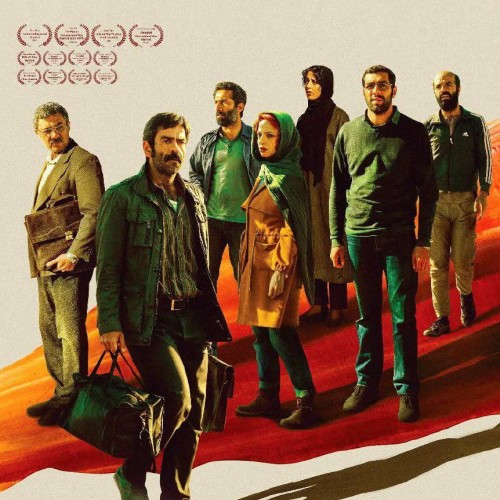
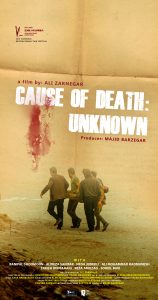
فیلم «علت مرگ: نامعلوم» به کارگردانی علی زرنگار و تهیهکنندگی مجید برزگر، بیشتر از آنکه روایت خود را با تمرکز بر دیالوگها یا تغییر شخصیتها بیان کند، از طریق اشیا، محیط و جزئیات قصه خود را پیش میبرد. این نگاه، فیلم را به یک آرشیو بصری و نمادین بدل کرده است. هر شیء، هر نما و محیط، پیامهای اخلاقی، اجتماعی و روانشناختی را بازگو می کند. در واقع، فیلم یک زبان بیکلام و غنی از نشانهها ایجاد میکند که در جریان روایت مخاطب را در یک تجربه اجتماعی قرار میدهد. چند نمونه از این نشانه ها عبارتند از:
کیف پول: مرکز اعتماد و اخلاق
کیف پول در فیلم، ابزار بازنمایی وجدان و مسئولیت اجتماعی است. نحوه برخورد شخصیتها با کیف، میزان همدلی، خودخواهی و ترس از پیامدهای اجتماعی را آشکار میکند. آنها با پرسشهای اخلاقی و اجتماعی مواجه میشوند: آیا پول ها را برای خود بردارد یا نه؟
جادهها و خودروها: مسیر بیپایان بلاتکلیفی
فیلم تقریباً تمام زمان خود را در جادهها و خودرو میگذراند و این انتخاب، حامل معنای نمادین است. هر انحراف کوچک و هر پیچ خطرناک جاده، مخاطب را با تجربهای مشابه اضطراب و ناپایداری زندگی واقعی مواجه میکند. حتی صدای موتور، لرزش صندلیها و تغییر نور در طول مسیر، مانند یک زبان بدن سینمایی عمل میکند که فشار روانی شخصیتها را به مخاطب منتقل میکند.
تابلوها، ساختمانها و محیط پیرامون: حافظه جمعی
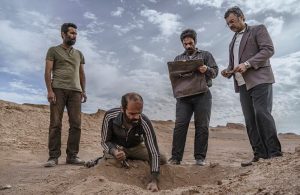
جزئیات محیطی در فیلم بسیار دقیق و نمادین هستند: تابلوهای فرسوده، ساختمانهای کهنه، علائم جادهای پوسیده و حتی وضعیت درختان کنار جاده، فضاسازی میکنند و حامل معنا و بار تاریخیاند. هر چند ممکن است در نگاه اول این عناصر جزئی به نظر برسند، اما مانند نشانههای یک آرشیو جمعی، گذشته و حال جامعه را به هم پیوند میدهند.
اشیا روزمره: بازتاب روان و اخلاق
فیلم توجه ویژهای به جزئیات روزمره دارد: خرابی ماشین، تلفن همراه، سیگار و…، این اشیا، فراتر از کاربرد عملی، حامل یادآوریهای اخلاقی و روانشناختی هستند. به عنوان مثال، نحوه استفاده شخصیتها از تلفن همراه، نشاندهنده اولویتها، مسئولیتها و فشارهای درونی است. اشیا به شکل نمادین، انتخابها و اخلاق شخصیتها را نمایان می کنند و روایت را بدون نیاز به دیالوگ مستقیم پیش میبرند. مخاطب، ناخودآگاه این ارتباطها را دریافت میکند و به نوعی تجربه همدلی با شخصیت ها پیدا میکند.
نور، سایه و دکوپاژ: بازنمایی ذهن
نورپردازی و سایهها در فیلم با دقت طراحی شدهاند و حس نزدیکی و واقعگرایی ایجاد میکند. نور کم در کابین ماشین، سایههای کشیده روی جاده و انعکاسها روی شیشه، وضعیت روانی و اضطراب شخصیتها را منتقل میکنند. این جزئیات، نشان میدهند که محیط و اشیا قادرند روایت و تجربه روانی را به صورت بصری بیان کنند.
در نهایت «علت مرگ: نامعلوم» مجید برزگر، یک فیلم جنایی یا جادهای و آرشیوی بصری و نمادین از جامعه ایرانی امروز است. فیلم با تمرکز روی اشیا، محیط و جزئیات کوچک، روایت را شکل میدهد و تجربهای چندلایه، دقیق و تازه ایجاد میکند. هر شیء، هر تابلو و هر جزئیات محیطی، حامل معنا و پیام است و مخاطب را به یک تجربه روانشناختی و فرهنگی غیرمستقیم دعوت میکند.
این فیلم به عنوان نماینده ایران در اسکار نشان می دهد که سینمای امروز ایران چگونه میتواند بدون اغراق و دیالوگ مستقیم روایتهای پیچیده، روانشناختی و اجتماعی ارائه دهد. اشیا و محیط در این فیلم، زمینه داستان و راویان اصلی روایت هستند؛ راویانی کوچک اما قدرتمند، که تجربههای انسانی و جمعی را منتقل میکنند.
نویسنده: دکتر لیلی خوش گفتار
“Cause of Death: Unknown” — The Cinema of Objects, Space, and the Symbolic Archive of Society
By Ali Zarnegar
Ali Zarnegar’s Cause of Death: Unknown unfolds its narrative less through dialogue or overt character transformation and more through the subtle orchestration of objects, environments, and quotidian detail. This approach turns the film into a visual and symbolic archive—one where every object, every frame, and every space resonates with moral, social, and psychological undercurrents. The film constructs a wordless yet eloquent language of signs, situating the viewer within a shared social experience.
The Wallet: The Center of Trust and Ethics
In Barzegar’s film, the wallet serves as a moral instrument—a vessel of conscience and social responsibility. Each character’s reaction to it reveals layers of empathy, selfishness, and fear of consequence. The object confronts them, and by extension the viewer, with ethical and social questions: Should the money be kept—or returned?
Roads and Cars: The Endless Route of Uncertainty
The film takes place almost entirely on the road, within cars and between destinations—a choice loaded with symbolic weight. Every minor detour, every dangerous curve mirrors the instability and anxiety of contemporary life. Even the hum of the engine, the trembling of the seats, and the flickering changes of light act as a form of cinematic body language, transmitting the characters’ inner tension to the audience.
Signs, Buildings, and the Surrounding Landscape: Collective Memory
Environmental details are rendered with remarkable precision: faded signs, decaying buildings, corroded road markers, even the weary trees along the roadside. Each contributes not just to atmosphere but to meaning. These elements, seemingly incidental, operate as fragments of a collective archive—linking the past and present of a society that bears the traces of fatigue, endurance, and memory.
Everyday Objects: Mirrors of Mind and Morality
The film’s attention to the mundane—the broken-down car, the cellphone, the cigarette—extends far beyond realism. These objects become carriers of psychological and ethical subtext. How a character uses their phone, for instance, subtly reveals hierarchy, responsibility, and internal pressure. Through such objects, Barzegar externalizes conscience and choice, allowing the narrative to advance without the need for direct dialogue. The viewer intuitively reads these signs, forming an empathetic connection with the characters’ inner worlds.
Light, Shadow, and Decoupage: The Mind Visualized
Lighting and composition are designed with intimate precision. The dim light inside the car, elongated shadows across the road, reflections on glass—all become visual manifestations of anxiety and introspection. Through light and texture, the film demonstrates how spaces and objects can articulate the psyche without words.
Ultimately, Majid Barzegar’s Cause of Death: Unknown is not simply a crime film or a road movie; it is a symbolic visual archive of contemporary Iranian society. By foregrounding objects, spaces, and minute details, Barzegar constructs a layered and meticulously observed narrative that invites viewers into an indirect yet profoundly psychological and cultural encounter. Every object, every sign, every trace of the environment carries meaning—guiding the viewer through an experience that is as moral as it is emotional.
As Iran’s submission to the Academy Awards, the film exemplifies how contemporary Iranian cinema can convey complex psychological and social narratives without recourse to exaggeration or explicit dialogue. In Cause of Death: Unknown, objects and environments are not mere background—they are the true narrators: small yet potent voices carrying the weight of collective and human experience.
writer: Dr. Leily Khoshgoftar