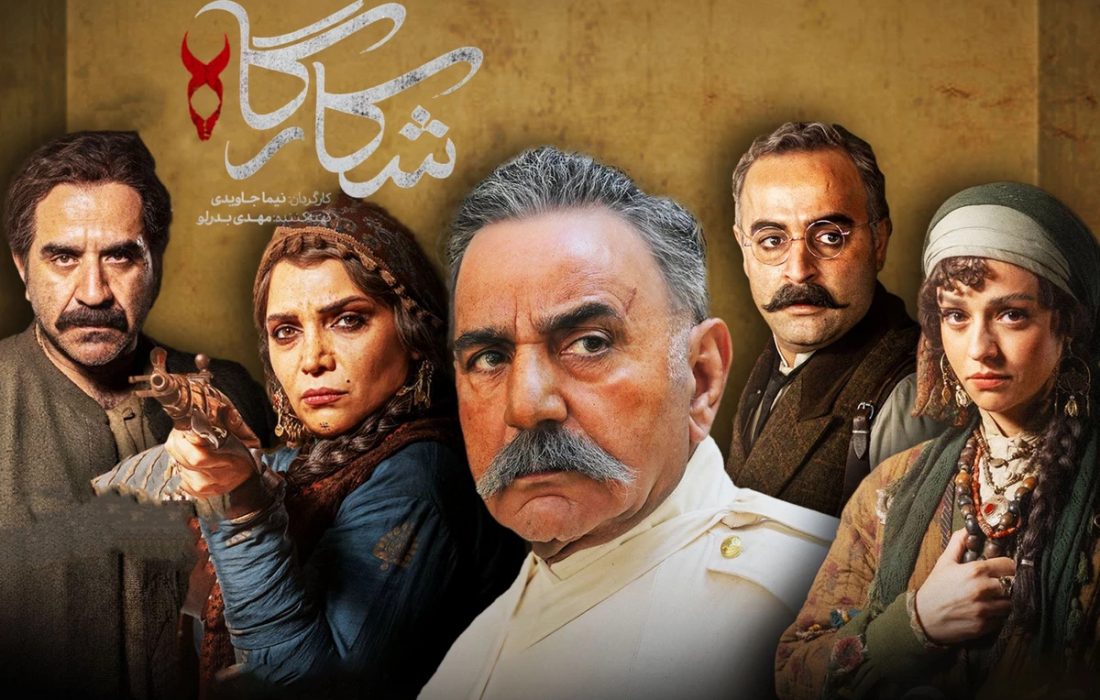
در نگاه اول، ممکن است «شکارگاه» یک سریال تاریخی درباره دوره قاجار به نظر برسد، اما آنچه شکارگاه را منحصر به فرد میکند، توانایی فیلمنامه در به کارگیری استعارههای تاریخی با مفاهیم مدرن انسانی است. قدرت، انتخاب، راز و محدودیت، در تاریخ قاجار و همه جوامع و دورهها قابل تفسیر هستند. این نوع نگاه، سریال را از یک نمایش تاریخی به یک روایت چندلایه و جهانی تبدیل میکند که مخاطب با هر سطح فهمی، میتواند به کشف معانی تازه دست بزند.
اگر از منظر فیلمنامهنویسی به آن نگاه کنیم، میبینیم که داستان بیش از آنکه درباره تاریخ باشد، درباره نمادها و روابط میان نیروهای پنهان است. نیما جاویدی در مقام کارگردان سریال «شکارگاه»، با دقتی هوشمندانه و تسلط کامل بر عنصر استعاره در سینما، این سریال را تبدیل به یک درس کامل فیلمنامهنویسی در استفاده از نماد و استعاره کرده است. چرا که در این سریال:
- تاریخ به پسزمینهای برای نمایش معنا تبدیل میشود.
- هر عنصر صحنه، از اشیا و لباسها تا حرکت شخصیتها، حامل پیام داستانی است.
- استعارهها و نمادها، روایت را چندلایه و قابل تحلیل برای مخاطب حرفهای میکنند.
به عبارتی سریال «شکارگاه» با فضاسازی دقیق و طراحی نمادین، فیلمنامهای چندلایه ارائه میکند. در این سریال هر عنصر داستانی – از شخصیتها تا لوکیشنها – پیامی استعاری منتقل میکند. نویسنده و کارگردان سریال، صحنهها را به گونهای طراحی کردهاند که تاریخ به پسزمینهای برای نمایش مفاهیم قدرت، محدودیت و انتخاب تبدیل شود. ساختار فیلمنامه شامل چند روایت موازی و لایههای استعاری است:
- لایه تاریخی: بازسازی دوره قاجار، پوششها، قوانین و روابط اجتماعی است.
- لایه نمادین: هر حرکت و انتخاب شخصیت، پیام استعاری درباره قدرت، محدودیت، راز و انتخاب منتقل میکند.
- لایه انسانی: تعامل شخصیتها، تضادهای اخلاقی و روابط انسانی، استعارهها را عملیاتی و ملموس میکند.
این سه لایه در هم تنیده شدهاند و مخاطب میتواند هر صحنه را در سطح نمادین و استعاری تحلیل کند.
در فیلمنامهنویسی هر فضا و لوکیشن، هر شیء و شخصیت میتواند روایتگر باشد و در «شکارگاه» این مفهوم به خوبی برجسته شده است. در ادامه، نمونه ای از این عناصر نمادین و استعاری را با هم می خوانیم:
- عمارت شکارگاه: استعارهای از محدودیت و تسلط است. این عمارت یکی از مهمترین نمادهای سریال است و دالانهای پیچ در پیچ، اتاقهای تاریک و پنجرههای نیمهباز، محل رخدادهای داستان و نماد ساختارهای قدرت و محدودیتهای اجتماعی و فردی شخصیتها هستند. مسیرهای مخفی عمارت، نشانگر سیاستها، اسرار و انتخابهای سرنوشتساز هستند. عمارت فقط محل زندگی نیست؛ نمادی از ذهنیات و معادلات انسانی است که شخصیتها در آن دست و پنجه نرم میکنند.
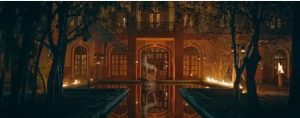
- دالانهای تاریک: ورود شخصیتها به دالانهای تاریک، استعارهای از مواجهه با اسرار و محدودیتهای زندگی است. همزمان، تنش و تعلیق را افزایش میدهد و ذهن مخاطب را درگیر میکند.
- اتاقهای جداشده با درهای سنگین: هر اتاق دنیای خصوصی شخصیتهاست. درهای بسته نمایانگر رازها و پنهانکاریها آنهاست. باز یا بسته بودن این درها، روایت بصری تعامل شخصیتها با قدرت و محدودیت را شکل میدهد.
- لباسهای نظامی: رنگهای تیره و طراحی سنگین، بازتابدهنده وزن مسئولیت و قدرت شخصیتها است.
- چراغ نفتی و شمعها: روشنایی محدود، استعارهای از اطلاعات جزئی و حقیقتهای ناقص است. نشان می دهد که شخصیتها باید با نور کم مسیر خود را بیابند.
- میزها و ابزارهای اداری: لحظاتی که شخصیتها سند یا نامهای در دست میگیرند، به صحنهای نمادین تبدیل میشود که سرنوشت و روابط شخصیتها را شکل میدهد.
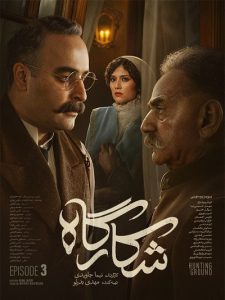
شخصیت ها هم، هر یک نمادی مستقل هستند که در تعامل با فضا و اشیا معنا پیدا میکنند. به طور مثال:
- میرعطا خان با بازی به قاعدهی پرویز پرستویی، نماینده قدرت و نظم است. رفتار او با عمارت و اشیا استعارهای از کنترل محیط و افراد است.
- پری: نماد مقاومت و هویت فردی است. حضور او در فضاهای نیمهروشن و تعامل با وسایل شخصی، استقلال در برابر محدودیتها را منعکس می کند..
- مفتش نامجو: جستجوگر حقیقت در میان ابهامهاست. حرکت او میان اتاقها و دالانها، استعارهای از پیگیری حقیقت در دنیای قدرت و رازهاست.
استعاره ها در جزئیات بصری و صداگذاری خود، یک خط داستانی مستقل ایجاد میکنند:
- حرکت آهسته دوربین به سمت پنجره، استعارهای از آینده نامعلوم و انتخابهای پیش رو است.
- سایهها و نور کمرنگ، حس تهدید، راز و تعلیق ایجاد میکنند.
- تغییر موقعیت اشیا حتی بدون دیالوگ، پیامهای نمادین درباره روابط شخصیتها و قدرت را منتقل میکند.
- موسیقی و صداگذاری: سکوت و صداهای محیطی با شدت کنترلشده، فضای دلهره و راز را تقویت میکنند و ارتباط مخاطب با روایت استعاری را عمیقتر میسازند.
نتیجه این که «شکارگاه» نشان میدهد چگونه میتوان تاریخ، داستان و استعاره را همزمان آمیخت تا سریالی خلق شود که هم سرگرمکننده و هم غنی از معنا باشد. یک فیلمنامهنویس میتواند از شکارگاه درس بگیرد که جزئیات بصری میتوانند روایت مستقل بسازند. جاویدی با ترکیب نور، سایه و حرکت دوربین، لحظات سکوت و تنش را به گونهای طراحی کرده که حتی بدون دیالوگ، پیامهای نمادین و استعاری منتقل شود. در اینجا، یک حرکت آهسته به سمت پنجره، یا نور کمرنگی که روی یک نقاشی میافتد، مانند یک خط داستانی کوچک عمل میکند.
نویسنده: دکتر لیلی خوشگفتار
Hunting Grounds: A Screenplay that Tells History Through Symbols
At first glance, Hunting Grounds might appear to be just another historical series set in the Qajar era. Yet what sets it apart is the screenplay’s ability to weave historical metaphors into modern human concepts. Power, choice, secrecy, and constraint are themes that transcend Qajar history and resonate across societies and eras. This perspective elevates the series beyond a period drama, turning it into a layered, universal narrative that invites audiences of all levels to uncover new meanings.
From a screenwriting perspective, the series is less about history itself and more about symbols and the interplay of hidden forces. As director, Nima Javidi demonstrates a masterful command of cinematic metaphor, transforming Hunting Grounds into a veritable lesson in symbolic storytelling. The series succeeds because:
History becomes a backdrop against which meaning is staged.
Every element—from props and costumes to the movement of characters—carries narrative weight.
Symbols and metaphors enrich the narrative, creating multiple layers of interpretation for discerning viewers.
In other words, through its meticulous atmosphere and symbolic design, Hunting Grounds delivers a multi-layered screenplay where every story element—from characters to locations—functions as a metaphor. The creators have shaped each scene so that history becomes a canvas for themes of power, constraint, and choice. The screenplay unfolds across three intertwined layers:
- The historical layer: a reconstruction of Qajar-era attire, laws, and social relations.
- The symbolic layer: every gesture and choice carries metaphorical meaning about power, secrecy, limitation, and decision-making.
- The human layer: the ethical conflicts and relationships ground the metaphors, making them tangible and emotionally resonant.
Each space, object, and character acts as a storyteller. Consider, for instance, the mansion at the heart of the series:
The Hunting Grounds mansion stands as a metaphor for limitation and dominance. Its winding corridors, dark rooms, and half-open windows not only serve as dramatic settings but also symbolize structures of power and personal constraints. Hidden passageways embody political maneuvering, secrets, and fateful choices. The mansion is more than a residence—it becomes a projection of human psychology and power struggles.
Dark hallways: Characters’ journeys through them symbolize encounters with hidden truths and life’s constraints, while heightening tension and suspense.
Heavily barred doors and sealed rooms: Each room mirrors a character’s private world. Closed doors signify secrecy; the act of opening or closing them visually conveys negotiations with power and boundaries.
Military uniforms: Their heavy fabrics and dark tones reflect the burden of authority.
Oil lamps and candles: Their dim glow embodies partial truths, suggesting that characters must navigate with limited knowledge.
Desks, documents, and letters: Whenever a character handles one, the moment becomes symbolic of fate and shifting relationships.
Characters themselves emerge as metaphors:
Mirata Khan (portrayed masterfully by Parviz Parastui) represents authority and order. His interactions with the mansion and its objects metaphorically embody control.
Pari symbolizes resistance and individuality. Her presence in semi-lit spaces and interactions with personal belongings highlight independence against constraint.
Inspector Namjou is the seeker of truth amid ambiguity; his movements through rooms and corridors symbolize a pursuit of clarity within networks of power and secrecy.
Even the technical details—the cinematography and sound—sustain a parallel symbolic narrative:
A slow pan toward a window evokes the uncertainty of the future and looming choices.
Shadows and subdued lighting intensify suspense and mystery.
The repositioning of objects communicates shifts in power and relationships without a word being spoken.
Music and sound design—silence punctuated by carefully modulated ambient sounds—heighten tension and deepen the audience’s engagement with the symbolic layer.
Ultimately, Hunting Grounds illustrates how history, story, and metaphor can converge to produce a series that is at once entertaining and profoundly meaningful. For screenwriters, it offers a valuable lesson: that visual detail can itself generate narrative. Javidi’s careful orchestration of light, shadow, camera movement, and silence ensures that even without dialogue, symbolic meaning is conveyed. A lingering shot on a window, or the faint illumination of a painting, functions like a miniature story within the larger narrative.
By Dr. Leily Khoshgoftar