سریال ۱۹۲۳، یکی از پیشدرآمدهای جهان در حال گسترش یلوستون، صرفاً یک وسترن تاریخی نیست؛ بلکه سفری روانشناختی است به ژرفای انتخابهای انسانی—انتخابهایی که از دل روابط و آشناییهای ظاهراً تصادفی میجوشند و پژواکشان نسلها را درمینوردد. در این روایت چندلایه، جغرافیای اصلی صرفاً دشتهای مونتانا نیست، بلکه درونمایههای اخلاقی و عاطفی شخصیتهاست.
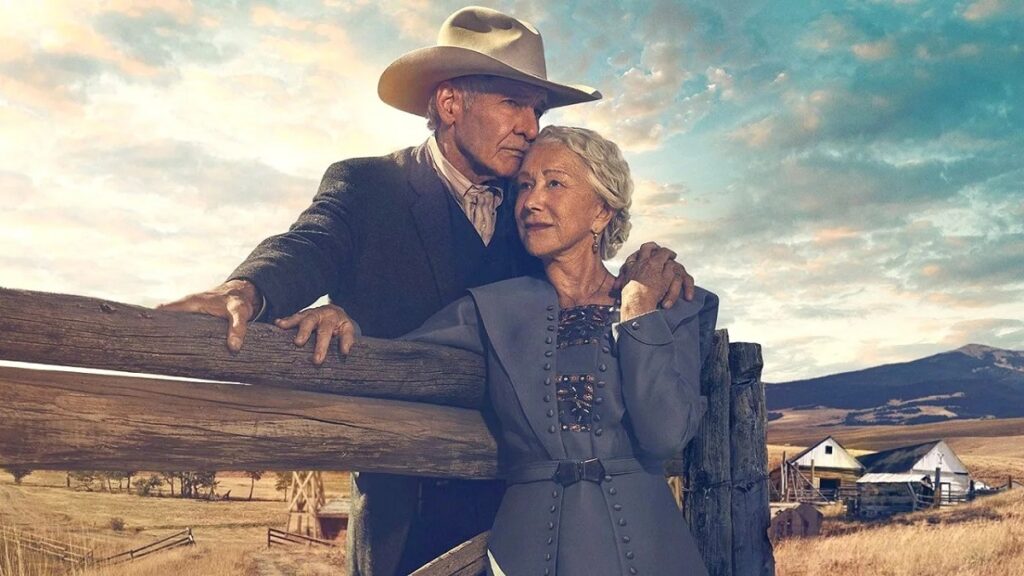
در قلب داستان، جیکوب و کارا داتن قرار دارند، زوجی که دههها زندگی مشترکشان، همچون مهاری عاطفی و شراکتی راهبردی، خانواده را سرپا نگه داشته است. پیوند آنها نه از جنس رمانتیسم اغراقشده، بلکه مشارکتی هوشمندانه در ساختن میراثی است که زیر فشار فروپاشی اجتماعی ایستاده است. ۱۹۲۳ از خلال آنها مراقبهای ارائه میدهد درباره اینکه چگونه تاریخ مشترک، انسان را در برابر فروپاشی درونی مقاوم میسازد.

اسپنسر داتن، برادرزادهی زخمخوردهی جنگ جهانی اول، نمایندهی نسلی سرگشته و گمشده است. سفر او نه فقط جغرافیایی از دشتهای آفریقا به دامنههای مونتانا،بلکه وجودی است. رابطهاش با الکساندرا، زن اروپایی اشرافزادهای که برای عشق، جایگاه خود را رها میکند، صرفاً عاشقانه نیست؛ بلکه کورهای است برای بازسازی هویت. تصمیم الکساندرا برای ترک آسایش و مواجهه با خطر، کنشی اگزیستانسیالیستی از جنس اختیار است. تصمیمی که فقط زندگی او را تغییر نمیدهد، بلکه نقش محرک اصلی در بازگشت اسپنسر به معنا و ریشههایش میشود.
الکساندرا اما یکی از پیچیدهترین و تأثیرگذارترین شخصیتهاست. تصمیم او برای ترک زندگی اشرافی و پیوستن به اسپنسر، عملی رادیکال و عمیقاً اگزیستانسیالیستی است. او با علم به خطر، آسایش و جایگاه اجتماعیاش را پشت سر میگذارد تا حقیقتی اصیلتر را تجربه کند. این انتخاب نه تنها مسیر زندگی خود او را دگرگون میکند، بلکه درام درونی اسپنسر را نیز به سویی دیگر سوق میدهد. حضور او، اسپنسر را از مرز بیهدفی و تهیبودگی بازمیگرداند و تبدیل به پیوندی میشود که گذشته، حال و آیندهی او را به هم متصل میکند.

در کنار آن، روایت تئونا رینواتر، دختر بومی آمریکا که از خشونت سیستماتیک مدرسه مذهبی میگریزد، به ما میگوید حتی قربانیترین انسانها نیز میتوانند روایت خود را پس بگیرند. فرار او صرفاً بقا نیست، بلکه بازیابی روایت است. ۱۹۲۳ در این خط داستانی، هم نقدی ریشهدار به خشونت استعماری دارد و هم سرودی است برای مقاومت بهمثابه بازنویسی سرنوشت.

نبوغ تیلور شریدان در آن است که «سرنوشت» را با «آزادی» درهمتنیده نشان میدهد. هر انتخابی در ۱۹۲۳—از مقاومت سیاسی جیکوب گرفته تا بیداری عاطفی اسپنسر—در بستری از روابط، تاریخ و ساختارهای اجتماعی شکل میگیرد. این تصمیمات پاک و سیاهسفید نیستند؛ خاکستریاند، پرهزینه، و از همه مهمتر: اشتراکی. انسان در خلأ تصمیم نمیگیرد. انتخابها در جهان دیگران رخ میدهند و پژواکشان فراتر از خود ماست.
از این منظر، ۱۹۲۳ بیش از آنکه دربارهی کابویها باشد، دربارهی پیامدهاست. سریال افسانهی فردگرایی آمریکایی را زیر سؤال میبرد و نشان میدهد که حتی تنهاترین انسانها، در تار و پود روابط با دیگران معنا مییابند. پشت هر گلوله، یک تصمیم است. پشت هر تصمیم، یک رابطه. و در هر رابطه، امکانی هست—امکانی گاه ترسناک و گاه نجاتبخش—برای دگرگونی.
نویسنده: دکتر لیلی خوشگفتار
Fate, Freedom, and the Fragile Architecture of Human Choice
(A note on the 1923 series) How Relationships and Decisions Shape the Course of a Western Epic
Taylor Sheridan’s 1923, a prequel in the expanding Yellowstone universe, is more than a period Western—it’s a psychological exploration of how human choices, rooted in relationships and chance encounters, reverberate across generations. In this richly layered narrative, the terrain is not just Montana’s rugged wilderness, but also the moral and emotional interior of its characters.
At the story’s core are Jacob and Cara Dutton, whose decades-long marriage functions as both emotional ballast and strategic partnership. Their bond reflects a stoic resilience that holds their fractured world together. They are not romanticized icons but co-architects of a legacy under siege. Through them, 1923 offers a meditation on how shared history can fortify the human spirit against social disintegration.
Spencer Dutton, Jacob’s war-scarred nephew, embodies the trauma of a dislocated generation. His journey is not just geographical—from the killing fields of Africa to the family ranch—but existential. His relationship with Alexandra, an aristocratic European who abandons status for love, is not merely romantic; it becomes a crucible for reinvention. Alexandra chooses the unknown over comfort, danger over certainty—a decision that mirrors existential freedom in its purest form. Her choice does not simply redirect her own life; it becomes the catalytic force for Spencer’s return to purpose.
Alexandra, however, emerges as one of the most complex and consequential figures in the series. Her decision to abandon her aristocratic life and follow Spencer is radical and profoundly existential. Aware of the risks, she deliberately steps away from comfort and social security in pursuit of a more authentic existence. This choice doesn’t just alter her own path—it reshapes Spencer’s emotional arc. Her presence pulls him back from a life of aimlessness and disconnection, becoming the emotional bridge that binds his past, present, and future.
Meanwhile, Teonna Rainwater’s arc—a young Native American woman fleeing systemic abuse—shows how even the most brutalized characters can assert agency. Her escape is not just an act of survival but a reclamation of narrative. In her flight, 1923 critiques colonial violence and the institutions that enable it, but also celebrates resistance as a form of storytelling.
Sheridan’s brilliance lies in how he entangles fate with freedom. Every choice in 1923—from Jacob’s political defiance to Spencer’s emotional reawakening—is embedded within social, historical, and relational contexts. These decisions are never clean; they’re morally gray, personally costly, and—most importantly—shared. We don’t choose in a vacuum. We choose in a world of others, and our choices echo beyond ourselves.
In this way, 1923 is less about cowboys and more about consequences. It interrogates the mythology of rugged individualism by showing how even the most isolated lives are relationally entangled. Behind every gunshot is a decision. Behind every decision, a relationship. And within every relationship, the possibility—both terrifying and redemptive—of transformation.
Writer:DR.Leily Khoshgoftar